Australia’s Jewish community has condemned the repeated displays of Nazi references at anti-vaccine and anti-lockdown rallies in Victoria, some of which saw the state premier depicted as Adolf Hitler.

Daniel Aghion, the president of the Jewish Community Council of Victoria, claims that references to the genocidal regime of the Nazis amid the current unrest over pandemic rules is a false equivalence.

“The Nazis had the intention of wiping from the face of the Earth a race or religion simply because of what they were,” Aghion told Guardian Australia. “Nothing in the current proposals is remotely like that, and the comparison to Nazi Germany is therefore shocking, inappropriate and wrong,” he added.

Aghion’s comments come after demonstrators, protesting against pandemic laws, referenced Nazi Germany in an effort to make their point. Some carried placards depicting state premier, Daniel Andrews, as Hitler. 

 Wendy Lovell, a Liberal MP, had also claimed laws proposed to govern future pandemics were similar to Germany’s 1933 Enabling Act – which allowed the Reich government to issue laws without the consent of parliament and preceded atrocities, most notably the Holocaust.

MP Bernie Finn had gone as far as to share a social media post depicting the state premier as Hitler. It was later deleted.Laws proposed by Andrews seek to grant powers to the state leaders in the event of another pandemic. Under the move, the minister “may make any order… that the minister believes is reasonably necessary to protect public health.” 

Opponents claim the legislation, which would see power concentrated with the head of state and health minister, is too broad and far reaching.

If you like this story, share it with a friend!

find more fun & mates at SoShow now !

France’s best-known book of words, Le Petit Robert dictionary, has caused a stir by including the non-binary personal pronoun as an alternative to the existing masculine and feminine terms.

While the annual update of the Petit Robert dictionary is often a topic of considerable debate in French media, the latest edition has caused quite the backlash, with some, including a cabinet member, accusing it of pandering to wokeism.

The word “iel,” a neologism combining the French words for he and she (“il” and “elle“), is described as the personal pronoun for a person of any gender. “Personal pronoun subject to the third person singular and plural, used to evoke a person of any gender. The use of the pronominal in inclusive communication,” the dictionary’s entry reads. 

Read more

(FILE PHOTO) © REUTERS/Costas Baltas
France turns to Ancient Greece for war on woke

Striking out at the latest inclusion, François Jolivet, an MP in President Emmanuel Macron’s LREM party took his protest to the Académie Française, the official guardians of the French language.  

Describing the move as “wokeism,” Jolivet said in a letter to the Académie that the word “iel” had no place in the French language and claimed it would be a precursor to the rise of ‘woke’ ideology, which undermines the values of the Gallic nation.

Outspoken Education Minister Jean-Michel Blanquer also chimed in. “Inclusive writing is not the future of the French language,” he tweeted, sharing Jolivet’s letter. “Just as our schoolchildren are consolidating their basic skills, they don’t need to have this as a reference,” he added.

The head of Gaullist party Debout La France, Nicolas Dupont-Aignan, further criticized Petit Robert’s “woke” addition. “Let’s defend our language against these ridiculous fanatics of deconstruction and let’s boycott the collaborators who give into them,” he tweeted.  

Le Petit Robert has responded to the “lively debate” by claiming that the pronoun has been used increasingly in society in recent months and they chose to reflect this by adding it to their latest update. The publication also said that some have welcomed the addition.

France’s offensive against wokeism, which has been described by some as an Anglo-Saxon import, recently saw Blanquer vow to increase the teaching of ancient Greek and Latin languages. The education minister claims that the classical vernaculars respond to a demand for logos (language as a tool for reason), in a world where “a lack of reason is spreading like wildfire.” 

If you like this story, share it with a friend!

find more fun & mates at SoShow now !

Vaccination of all Hungarian citizens against Covid-19 is inevitable, PM Viktor Orban has said, stating that even the most hardline anti-vaxxers will ultimately face a choice between dying with the virus and getting a jab.

Speaking to Kossuth radio on Friday, the Hungarian leader lashed out at those reluctant to get vaccinated against coronavirus, branding them a threat “not only to themselves but to all others.”

In the end, everyone will have to be vaccinated; even the anti-vaxxers will realize that they will either get vaccinated or die. So, I urge everyone to take this opportunity.

The EU member state is currently experiencing its fourth wave of coronavirus, Orban stated, blaming the situation on those who had not got vaccinated. “If everybody were inoculated, there would be no fourth wave or it would be just a small one,” the PM claimed.

Read more

FILE PHOTO. ESSEN, GERMANY. © AFP / Ina FASSBENDER
Covid rates take Germany to ‘nationwide state of emergency’

Apart from urging the unvaccinated to go and finally get their jabs, Orban also promoted booster shots, revealing that he had already taken three doses of a coronavirus vaccine.

“The only thing that protects us from the virus is vaccination. And we are now also seeing, at least the experts are unanimous in saying, that four to six months after the second vaccination, the protective power of the vaccine weakens. Therefore, a third vaccination is justified,” he said.

Hungary has already announced new anti-Covid measures, though somewhat short of the strict measures proposed by the nation’s Medical Chamber on Wednesday. The medical body called for a blanket ban on mass events, and suggested making entry to restaurants, theaters and other indoor venues conditional on bearing a Covid-19 inoculation certificate. Instead, Budapest rolled out compulsory mask wearing for most indoor environments, as well as making booster shots mandatory for all medical workers, starting from Saturday.

A nation of 10 million, Hungary’s total tally of logged Covid cases is hovering just below the one million mark. On Friday, it registered a new daily record, with nearly 11,300 new Covid infections. More than 32,700 people in Hungary have succumbed to the disease over the course of the pandemic.

Think your friends would be interested? Share this story!

find more fun & mates at SoShow now !

General Joseph L. Votel (Ret.) joined BENS as CEO & President in January 2020 following a 39-year military career where he commanded special operations and conventional forces at every level; last serving as the Commander of U.S. Central Command (CENTCOM) where he was responsible for U.S. and coalition military operations in the Middle East, Levant, and Central and South Asia. General Votel’s career included combat in Panama, Afghanistan, and Iraq and he led the 79-member coalition that successfully liberated Iraq and Syria from the Islamic State Caliphate. General Votel preceded his assignment at CENTCOM with service as the Commander of U.S. Special Operations Command and the Joint Special Operations Command.

The Cipher Brief:  Did you ever envision that the U.S. would pull out so quickly or completely leaving the Afghan military on its own without U.S. air support?  

General Votel: I did not anticipate this during my time – but once the President sets a hard departure date – then a fast withdrawal is inevitable.  No Commander wants to accept unnecessary risk with troops on the ground when you are up against a clearly articulated departure date.

The Cipher Brief: Intelligence assessments wildly missed the mark on how fast Kabul would fall, what factors contributed most directly to this? 

General Votel: Certainly, the departure of our own capabilities is a big part of this; the lack of direct contact with Afghan leaders is another important factor; and, of course, once it was clear that we were departing (and took our Commander out) — we lost priority and access with our normal and reliable Afghan intelligence sources.

The Cipher Brief: U.S. personnel are facing a deteriorating security situation at the Kabul airport while U.S. forces are still deploying for the contingency operation, another sign that the administration underestimated how fast the Taliban would reach Kabul. The U.S. could have chosen to slow the Taliban advance using airpower, why didn’t it happen, do you think? 


The Cipher Brief hosts private briefings with the world’s most experienced national and global security experts.  Become a member today.


General Votel: I think it is very clear that this was no longer a priority for our Government.  The mission right now, at least articulated over the weekend, is about supporting evacuation of the diplomats and helping with the departure of those Afghans who assisted the US and meet the criteria for evacuation.  While I don’t know this for certain — I believe what we were trying to do with over the horizon air support in a rapidly developing situation, was not optimal or overly effective.  It doesn’t seem to have done much – if anything.

The Cipher Brief: The U.S. has allowed U.S. supplied military hardware, weapons and technology to fall into the hands of the Taliban, a group responsible for the deaths of U.S. personnel and thousands of innocent Afghans.  The U.S. government holds private citizens and corporations accountable for far lesser violations of export violations involving dual-use technology or military equipment, etc.  How should Americans think about this situation now, where the Taliban will use equipment, paid for the by the U.S. taxpayer, to potentially perpetrate acts of violence against U.S. interests, and erode democratic values that the U.S. tried to introduce to Afghanistan?  

General Votel: Not sure on this.  Unfortunately, it is not the first time we have seen this — remember ISIS in 2014, in Mosul?  I suspect these will be more trophy pieces than they will be hard military capability – with the exception of small arms, mortars, and artillery.  Most of this will be difficult for the Taliban to sustain – and they probably prefer their own gear, anyway.

The Cipher Brief:  There is a lot of anger among the national security community right now.  What would you say to individuals who have suffered because of the U.S. role in Afghanistan, who may be feeling anger and rage?  

General Votel: I can’t really comment on anger in the national security community — I am sure that exists, but the sentiment that seems more strong to me, is disappointment.  No one wants what we are seeing now.  I think most security professionals can accept a decision to depart by the Commander in Chief — that is well within his authority, and everyone understands this; what is harder to accept is the manner in which this happened, and how it has played out.  It was hard for me to watch Taliban sitting at a conference table that I once sat at with the Afghan President.  In a number of public engagements, I have participated in lately – people have asked me if this whole effort was a waste.  My response has been consistent.  American military personnel, members of the IC and the diplomatic corps conducted themselves honorably throughout this war.  They responded when the Nation called and did their best for our Country, each other, and the Afghan people.  There will be plenty of time to place the blame – but the vast, vast majority of Americans who participated in some aspect of the Afghan War did so nobly and to the best of their ability.  We should not lose sight of this.  That this did not turn out the way we all hoped — is not their fault … and I would not want anyone (especially families of our wounded and killed) to think these efforts were in vain.  That is not how I thought about them at the time, and it is not how I think about them now.  They answered when the Nation called.

Have a perspective to share?  Email Editor@thecipherbrief.com

Read more expert-driven national security insight, perspective and analysis in The Cipher Brief


The post The Painful Lessons of Afghanistan appeared first on The Cipher Brief.

find more fun & mates at SoShow now !

An American nonprofit behind the US-funded bat virus research in China has denied ever sending virus samples from Laos – a place where SARS-CoV-2 closest natural relative was found – to Wuhan in response to fresh allegations.

“No work was ever conducted in Laos as a part of this collaborative research project,” EcoHealth Alliance – a group that conducted experiments on coronaviruses while receiving funding from the National Institutes of Health (NIH) – said in a series of tweets on Sunday, responding to media reports alleging that the group might have transported a potentially dangerous virus from Laos to the laboratory in Wuhan.

The group’s name surfaced in October when the NIH principal deputy director, Lawrence Tabak, revealed EcoHealth Alliance did experiment on the viruses with the agency’s financial help. At that time, White House Medical Advisor Dr. Anthony Fauci stated that the viruses studied as part of the project “were distant enough molecularly that no matter what you did to them, they could never, ever become SARS-CoV-2.”

EcoHealth has come under renewed scrutiny after its emails, obtained through a Freedom of Information request, appeared to suggest that the group was discussing the prospect of collecting viral samples from bats in Laos and sending them to the Wuhan Institute of Virology. The emails were initially obtained by the White Coat Waste Project and sparked a flurry of reports over the weekend, including in the Spectator by British science writer Matt Ridley.

Read more

FILE PHOTOS.
Fauci DID fund Wuhan virus experiments, but officials insist virus involved ‘could not have been’ cause of Covid-19 pandemic

The emails shared between EcoHealth Alliance and its US government funders reportedly reveal that the scientists discussed collecting viral samples from bats in eight countries, including in Laos, between 2016 and 2019, and toyed with the idea of transporting them to Wuhan, ostensibly, to avoid red tape. One email from 2016 cited by the Spectator reportedly reads: “All samples collected would be tested at the Wuhan Institute of Virology.”

Laos is the birthplace of at least one virus that seems to be very close to SARS-Cov-2. A bat viral strain called Banal-52 discovered in Laos in September shares 96.8 percent of its genome with the virus behind the Covid-19 pandemic

On Sunday, EcoHealth Alliance claimed that the emails cited by Ridley “do not show…that we were sampling bats in Laos and sending the results to Wuhan.”

The group acknowledged, however, that it requested NIH permission to work in Southeast Asian countries, including in Laos, and that this permission was granted. 

However, the nonprofit claimed it ended focusing on China instead.

 The response failed to satisfy Ridley, who is also a co-author of a book on Covid’s origin, who demanded “evidence” proving that  his report was not “fully accurate.”

Think your friends would be interested? Share this story!

find more fun & mates at SoShow now !

Slovakia has become the latest European country to implement lockdown restrictions on people who haven’t had the Covid vaccine, as it seeks to prevent a resurgence in infections and hospital admissions over the winter.

Slovakian Prime Minister Eduard Heger announced the new measures in a press conference on Thursday, declaring a “lockdown for the unvaccinated” after the country reported a record number of new cases.

The new restrictions in Slovakia, which come into effect on Monday, will require people to have been vaccinated or have recovered from Covid in the past six months to enter restaurants, non-essential shops, or public events.

In the past few days, the European nation has seen record numbers of new infections, including over 8,000 on Tuesday, with hospitals running out of space to treat Covid patients.

Slovakia has one of the lowest rates of vaccination in the European Union, with over 50% of individuals still not jabbed. The country of around 5.5 million has so far only inoculated 2.5 million people against the virus.

Read more

(FILE PHOTO) © REUTERS/David W Cerny
Czechia rolls out new restrictions for unvaccinated

Earlier this week, Austria became the first nation to impose restrictions on unvaccinated individuals, as it sought to limit pressure on hospitals and emergency care units. The move came into effect at midnight on Monday for anyone aged 12 and older who has not received their Covid vaccine or recently recovered from the virus.

The German state of Bavaria and the Czech Republic followed Austria in restricting access for unvaccinated individuals. Only people who can show proof of vaccination or that they have recently recovered from Covid will be allowed to enter public spaces, such as restaurants and shops. 

If you like this story, share it with a friend!

find more fun & mates at SoShow now !

Corin Stone, Washington College of Law
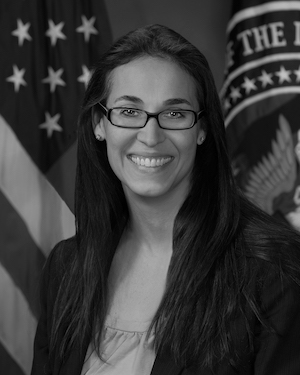
Corin Stone is a Scholar-in-Residence and Adjunct Professor at the Washington College of Law.  Stone is on leave from the Office of the Director of National Intelligence (ODNI) where, until August 2020, she served as the Deputy Director of National Intelligence for Strategy & Engagement, leading Intelligence Community (IC) initiatives on artificial intelligence, among other key responsibilities. From 2014-2017, Ms. Stone served as the Executive Director of the National Security Agency (NSA).

(Editor’s Note: This article was first published by our friends at Just Security and is the third in a series that is diving into the foundational barriers to the broad integration of AI in the IC – culture, budget, acquisition, risk, and oversight.)

OPINION — As I have written earlier, there is widespread bipartisan support for radically improving the nation’s ability to take advantage of artificial intelligence (AI). For the Intelligence Community (IC), that means using AI to more quickly, easily, and accurately analyze increasing volumes of data to produce critical foreign intelligence that can warn of and help defuse national security threats, among other things. To do that, the IC will have to partner closely with the private sector, where significant AI development occurs. But despite the billions of dollars that may ultimately flow toward this goal, there are basic hurdles the IC still must overcome to successfully transition and integrate AI into the community at speed and scale.

Among the top hurdles are the U.S. government’s slow, inflexible, and complex budget and acquisition processes. The IC’s rigid budget process follows the standard three-year cycle for the government, which means it takes years to incorporate a new program and requires confident forecasting of the future. Once a program overcomes the necessary hurdles to be included in a budget, it must follow a complex sequence of regulations to issue and manage a contract for the actual goods or services needed. These budget and acquisition processes are often considered separately as they are distinct, but I treat them together because they are closely related and inextricably intertwined in terms of the government’s purchasing of technology.

Importantly, these processes were not intended to obstruct progress; they were designed to ensure cautious and responsible spending, and for good reason. Congress, with its power of the purse, and the Office of Management and Budget (OMB), as the executive branch’s chief budget authority, have the solemn duty to ensure wise and careful use of taxpayer dollars. And their roles in this regard are vital to the U.S. government’s ability to function.

Unfortunately, despite the best of intentions, as noted by some in Congress itself, the budget process has become so “cumbersome, frustrating, and ineffective” that it has weakened the power of the purse and Congress’ capacity to govern. And when complicated acquisition processes are layered on top of the budget process, the result is a spider web of confusion and difficulty for anyone trying to navigate them.

The Need for Speed … and Flexibility and Simplicity

As currently constructed, government budget and acquisition processes cause numerous inefficiencies for the purchase of AI capabilities, negatively impacting three critical areas in particular: speed, flexibility, and simplicity. When it comes to speed and flexibility, the following difficulties jump out:

  • The executive branch has a methodical and deliberate three-year budget cycle that calls for defined and steady requirements at the beginning of the cycle. Changing the requirements at any point along the way is difficult and time-consuming.
  • The IC’s budgeting processes require that IC spending fit into a series of discrete sequential steps, represented by budget categories like research, development, procurement, or sustainment. Funds are not quickly or easily spent across these categories.
  • Most appropriations expire at the end of each fiscal year, which means programs must develop early on, and precisely execute, detailed spending plans or lose the unspent funds at the end of one year.
  • Government agencies expend significant time creating detailed Statements of Work (SOWs) that describe contract requirements. Standard contract vehicles do not support evolving requirements, and companies are evaluated over the life of the contract based on strict compliance with the original SOW created years earlier.

These rules make sense in the abstract and result from well-intentioned attempts to buy down the risk of loss or failure and promote accountability and transparency. They require the customer to know with clarity and certainty the solution it seeks in advance of investment and they narrowly limit the customer’s ability to change the plan or hastily implement it. These rules are not unreasonably problematic for the purchase of items like satellites or airplanes, the requirements for which probably should not and will not significantly change over the course of many years.

However, because AI technology is still maturing and the capabilities themselves are always adapting, developing, and adding new functionality, the rules above have become major obstacles to the quick integration of AI across the IC. First, AI requirements defined with specificity years in advance of acquisition – whether in the budget or in a statement of work – are obsolete by the time the technology is delivered. Second, as AI evolves there is often not a clear delineation between research, development, procurement, and sustainment of the technology – it continuously flows back and forth across these categories in very compressed timelines. Third, it is difficult to predict the timing of AI breakthroughs, related new requirements, and funding impacts, so money might not be spent as quickly as expected and could be lost at the end of the fiscal year. Taken together, these processes are inefficient and disruptive, cause confusion and delay, and discourage engagement from small businesses, which have neither the time nor the resources to wait years to complete a contract or to navigate laborious, uncertain processes.


Engage personally with experts on Artificial Intelligence and national security  at The Cipher Brief Threat Conference October 24-26.  If you are an actively working in the national security field, we invite you to apply to attend.  Seats are limited.  


Simply put, modern practices for fielding AI have outpaced the IC’s decades-old approach to budgeting and acquisition. That AI solutions are constantly evolving, learning, and improving both undermines the IC’s ability to prescribe a specific solution and, in fact, incentivizes the IC to allow the solution to evolve with the technology. The lack of flexibility and speed in how the IC manages and spends money and acquires goods and services is a core problem when it comes to fully incorporating AI into the IC’s toolkit.

Even while we introduce more speed and agility into these processes, however, the government must continue to ensure careful, intentional, and appropriate spending of taxpayer dollars. The adoption of an IC risk framework and modest changes to congressional oversight engagements, which I address in upcoming articles, will help regulate these AI activities in the spirit of the original intent of the budget and acquisition rules.

As for the lack of simplicity, the individually complex budget and acquisition rules are together a labyrinth of requirements, regulations, and processes that even long-time professionals have trouble navigating. In addition:

  • There is no quick or simple way for practitioners to keep current with frequent changes in acquisition rules.
  • The IC has a distributed approach that allows each element to use its various acquisition authorities independently rather than cohesively, increasing confusion across agency lines.
  • Despite the many federal acquisition courses aimed at demystifying the process, there is little connection among educational programs, no clear path for IC officers to participate, and no reward for doing so.

The complexity of the budget and acquisition rules compounds the problems with speed and flexibility, and as more flexibility is introduced to support AI integration, it is even more critical that acquisition professionals be knowledgeable and comfortable with the tools and levers they must use to appropriately manage and oversee contracts.

Impactful Solutions: A Target Rich Environment

Many of these problems are not new; indeed, they have been highlighted and studied often over the past few years in an effort to enable the Department of Defense (DOD) and the IC to more quickly and easily take advantage of emerging technology. But to date, DOD has made only modest gains and the IC is even further behind. While there are hundreds of reforms that could ease these difficulties, narrowing and prioritizing proposed solutions will have a more immediate impact. Moreover, significant change is more likely to be broadly embraced if the IC first proves its ability to successfully implement needed reforms on a smaller scale. The following actions by the executive and legislative branches – some tactical and some strategic – would be powerful steps to ease and speed the transition of AI capabilities into the IC.

Statements of Objectives

A small but important first step to deal with the slow and rigid acquisition process is to encourage the use of Statements of Objectives (SOO) instead of SOWs, when appropriate. As mentioned, SOWs set forth defined project activities, deliverables, requirements, and timelines, which are used to measure contractor progress and success. SOWs make sense when the government understands with precision exactly what is needed from the contractor and how it should be achieved.

SOOs, on the other hand, are more appropriate when the strategic outcome and objectives are clear, but the steps to achieve them are less so. They describe “what” without dictating “how,” thereby encouraging and empowering industry to propose innovative solutions. SOOs also create clarity about what is important to the government, leading companies to focus less on aggressively low pricing of specific requirements and more on meeting the ultimate outcomes in creative ways that align with a company’s strengths. This approach requires knowledgeable acquisition officers as part of the government team, as described below, to ensure the contract includes reasonable milestones and decision points to keep the budget within acceptable levels.


The Cipher Brief hosts private briefings with the world’s most experienced national and global security experts.  Become a member today.


New Authorities for the IC

Two new authorities would help the IC speed and scale its use of AI capabilities: Other Transaction Authority (OTA)  and Commercial Solutions Openings (CSO). Other Transaction Authority allows specific types of transactions to be completed outside of the traditional federal laws and regulations that apply to standard government procurement contracts, providing significantly more speed, flexibility, and accessibility than traditional contracts. While OTA is limited in scope and not a silver bullet for all acquisition problems, OTA has been used to good effect since 1990 by the Defense Advanced Research Projects Activity (DARPA), DOD’s over-the-horizon research and development organization, among others.

CSOs are a simplified and relatively quick solicitation method to award firm fixed price contracts up to $100 million. CSOs can be used to acquire innovative commercial items, technologies, or services that close capability gaps or provide technological advances through an open call for proposals that provide offerors the opportunity to respond with technical solutions of their own choosing to a broadly defined area of government interest. CSOs are considered competitively awarded regardless of how many offerors respond.

Both OTA and CSO authority should be immediately granted to the IC to improve the speed and flexibility with which the IC can acquire and transition AI into the IC.

Unclassified Sandbox

The predictive nature of the IC’s work and the need to forecast outcomes means the IC must be able to acquire AI at the point of need, aligned to the threat. Waiting several years to acquire AI undermines the IC’s ability to fulfill its purpose. But with speed comes added risk that new capabilities might fail. Therefore, the IC should create an isolated unclassified sandbox, not connected to operational systems, in which potential IC customers could test and evaluate new capabilities alongside developers in weeks-to-months, rather than years. Congress should provide the IC with the ability to purchase software quickly for test and evaluation purposes only to buy down the risk that a rapid acquisition would result in total failure. The sandbox process would allow the IC to test products, consider adjustments, and engage with developers early on, increasing the likelihood of success.

Single Appropriation for Software

DOD has a pilot program that funds software as a single budget item – allowing the same money to be used for research, production, operations, and sustainment – to improve and speed software’s unique development cycle. AI, being largely software, is an important beneficiary of this pilot. Despite much of the IC also being part of DOD, IC-specific activities do not fall within this pilot. Extending DOD’s pilot to the IC would not only speed the IC’s acquisition of AI, but it would also increase interoperability and compatibility of IC and DOD projects.

No-Year Funds

Congress should reconsider the annual expiration of funds as a control lever for AI. Congress already routinely provides no-year funding when it makes sense to do so. In the case of AI, no-year funds would allow the evolution of capabilities without arbitrary deadlines, drive more thoughtful spending throughout the lifecycle of the project, and eliminate the additional overhead required to manage the expiration of funds annually. Recognizing the longer-term nature of this proposal, however, the executive branch also must seek shorter-term solutions in the interim.

A less-preferable alternative is to seek two-year funding for AI. Congress has a long history of proposing biennial budgeting for all government activities. Even without a biennial budget, Congress has already provided nearly a quarter of the federal budget with two-year funding. While two-year funding is not a perfect answer in the context of AI, it would at a minimum discourage parties from rushing to outcomes or artificially burning through money at the end of the first fiscal year and would provide additional time to fulfill the contract. This is presumably why DOD recently created a new budget activity under their Research, Development, Test and Evaluation (RDT&E) category, which is typically available for two years, for “software and digital technology pilot programs.”

AI Technology Fund

Congress should establish an IC AI Technology Fund (AITF) to provide kick-starter funds for priority community AI efforts and enable more flexibility to get those projects off the ground. To be successful, the AITF must have no-year funds, appropriated as a single appropriation, without limits on usage throughout the acquisition lifecycle. The AITF’s flexibility and simplicity would incentivize increased engagement by small businesses, better allowing the IC to tap into the diversity of the marketplace, and would support and speed the delivery of priority AI capabilities to IC mission users.


Go beyond the headlines with expert perspectives on today’s news with The Cipher Brief’s Daily Open-Source Podcast.  Listen here or wherever you listen to podcasts.


ICWERX  

To quickly take advantage of private sector AI efforts at scale, the IC must better understand the market and more easily engage directly with the private sector. To do so, the IC should create an ICWERX, modeled after AFWERX, an Air Force innovation organization that drives agile public-private sector collaboration to quickly leverage and develop cutting-edge technology for the Air Force. AFWERX aggressively uses innovative, flexible, and speedy procurement mechanisms like OTA and the Small Business Innovation Research and Small Business Technology Transfer programs (SBIR/STTR) to improve the acquisition process and encourage engagement from small businesses. AFWERX is staffed by acquisition and market research experts who are comfortable using those authorities and understand the market. While the IC’s needs are not identical, an ICWERX could serve as an accessible “front door” for prospective partners and vendors, and enable the IC to more quickly leverage and scale cutting-edge AI.

De-mystify Current Authorities

While there is much complaining about a lack of flexible authorities in the IC (and a real need for legal reform), there is flexibility in existing rules that has not been fully utilized. The IC has not prioritized the development or hiring of people with the necessary government acquisition and contracts expertise, so there are insufficient officers who know how to use the existing authorities and those who do are overworked and undervalued. The IC must redouble its efforts to increase its expertise in, and support the use of, these flexibilities in several ways.

First, the IC should create formal partnerships and increase engagement with existing U.S. government experts. The General Services Administration’s Technology Transformation Services (TTS) and FEDSIM, for example, work across the federal government to build innovative acquisition solutions and help agencies more quickly adopt AI. In addition, DOD’s Joint AI Center has built significant acquisition expertise that the IC must better leverage. The IC also should increase joint duty rotations in this area to better integrate and impart acquisition expertise across the IC.

Second, the IC must prioritize training and education of acquisition professionals. And while deep acquisition expertise is not necessary for everyone, it is important for lawyers, operators, technologists, and innovators to have a reasonable understanding of the acquisition rules, and the role they each play in getting to successful outcomes throughout the process. Collaboration and understanding across these professions and up and down the chain of command will result in more cohesive, speedy, and effective outcomes.

To that end, the Office of the Director of National Intelligence (ODNI) should work with the many existing government acquisition education programs, as well as the National Intelligence University, to develop paths for IC officers to grow their understanding of and ability to navigate and successfully use acquisition rules. The ODNI also should strengthen continuing education requirements and create incentive pay for acquisition professionals.

Third, the IC should prioritize and use direct hire authority to recruit experts in government acquisition, to include a mix of senior term-limited hires and junior permanent employees with room to grow and the opportunity for a long career in the IC. Such a strategy would allow the IC to quickly tackle the current AI acquisition challenges and build a bench of in-house expertise.

Finally, practitioners should have an easily accessible reference book to more quickly discover relevant authorities, understand how to use them, and find community experts. A few years ago, the ODNI led the creation of an IC Acquisition Playbook, which describes common IC acquisition authorities, practices, and usages. The ODNI should further develop and disseminate this Playbook as a quick win for the IC.

Incentivize Behavior

To encourage creative and innovative acquisition practices, as well as interdisciplinary collaboration, the IC must align incentives with desired outcomes and create in acquisition professionals a vested interest in the success of the contract. Acquisition officers today are often brought into projects only in transactional ways, when contracts must be completed or money must be obligated, for example. They are rarely engaged early as part of a project team, so they are not part of developing the solutions and have minimal investment in the project’s success. Reinforcing this, acquisition professionals are evaluated primarily on the amount of money they obligate by the end of the fiscal year, rather than on the success of a project.

Therefore, to start, project teams should be required to engage acquisition officers early and often, both to seek their advice and to ensure they have a good understanding of the project’s goals. In addition, evaluation standards for acquisition officers should incorporate effective engagement and collaboration with stakeholders, consideration of creative alternatives and options, and delivery of mission outcomes. If an officer uses innovative practices that fail, that officer also should be evaluated on what they learned from the experience that may inform future success.

Lastly, the ODNI should reinvigorate and highlight the IC acquisition awards to publicly reward desired behavior, and acquisition professionals should be included in IC mission team awards as a recognition of their impact on the ultimate success of the mission.

Conclusion

Between the government’s rigid budget and acquisition processes and confusion about how to apply them, there is very little ability for the IC to take advantage of a fast-moving field that produces new and updated technology daily. Tackling these issues through the handful of priority actions set forth above will begin to drive the critical shift away from the IC’s traditional, linear processes to the more dynamic approaches the IC needs to speed and transform the way it purchases, integrates, and manages the use of AI.

Read more expert-driven national security insights, perspective and analysis in The Cipher Brief


The post AI and the IC: The Tangled Web of Budget and Acquisition appeared first on The Cipher Brief.

find more fun & mates at SoShow now !

The longest lunar eclipse in over 500 years will occur in the early hours of November 19, lasting several hours.

The peak of the partial eclipse will take place in the predawn hours on Friday when 97% of the moon will be eclipsed by the Earth’s shadow. The previous longest partial eclipse took place in 2018 and lasted less than two hours, while this will last for several hours.

The eclipse will be visible from all 50 US states, Canada, and Mexico, as well as parts of South America, Polynesia, Australia, and China, according to NASA.

The moon will be at its farthest point from Earth during the eclipse, slowing its orbit and extending the time it takes to move out of the darkest part of the planet’s shadow, known as the umbra, as the moon, Earth, and sun will all be aligned. The Holcomb Observatory has released a video detailing what the eclipse will look like. 

The event will begin shortly after midnight and unlike a solar eclipse, no one will need special eyewear to view the phenomenon.

When the eclipse occurs, the moon will take on a reddish hue, with only a sliver of the actual moon visible. The event will last for several hours, making it the longest of its kind in 580 years, with the next lunar eclipse not occurring until May of 2022.

If you like this story, share it with a friend!

find more fun & mates at SoShow now !

A Canadian teenager has been arrested after allegedly stealing $36.5 million in cryptocurrency from a person in the US. The police claim it was the largest such heist involving one victim ever registered in North America.

Police in the city of Hamilton, Ontario, arrested the unidentified perpetrator on Wednesday, after over a year investigating what they have described as the biggest-ever cryptocurrency theft from a single person in either the US or Canada. Local police began a joint investigation with the Federal Bureau of Investigation and the US Secret Service Electronic Crimes Task Force in March 2020, when the theft was reported.

Read more

© AP Photo/Jiri Buller
Europol detains 10 hackers over $100 million cryptocurrency theft from celebrities

The Hamilton Police Service said it had made “multiple” seizures in excess of CA$7 million (US$5.5 million) during the arrest, which came after investigators noticed some of the stolen money had been used to buy an online username considered “rare” in the gaming community, according to a police statement.

The victim was apparently targeted by a cell phone hijack known as SIM swapping. This method involves manipulating cellular network employees to duplicate phone numbers in order to let the scammer intercept the two-factor authorization requests that allow them access to a victim’s account.

This method is considered especially potent because a lot of people use the same password for multiple sites, according to Detective Constable Kenneth Kirkpatrick, of the Hamilton Police’s cybercrimes unit. He added that cyber and cryptocurrency crimes were becoming increasingly common, but noted that the figures involved in this case were “very surprising.”

“It’s a large amount of money in anybody’s opinion,” Kirkpatrick said, adding that the case was currently in the Hamilton court system.

The police haven’t revealed the age or gender of the youth, the username they purchased, or whether they were acting alone.

If you like this story, share it with a friend!

find more fun & mates at SoShow now !

We’re starting a new segment on The Cipher Brief’s Open-Source Collection Podcast and adding to the line-up of curated headlines we bring you from around the world with expert insights on today’s news. 

The Cipher Brief’s Brad Christian talked with former CIA Officer Marc Polymeropoulos this week about what’s next for the US Government when it comes to investigating ‘Havana Syndrome’, making sure Afghan interpreters aren’t left behind and why a White House visit by Jordan’s King Abdullah was a bigger deal than some may realize.  

Cipher Brief Expert Marc Polymeropoulos served 26 years in the CIA before retiring from the Senior Intelligence Service in June 2019.  His positions included field and headquarters operational assignments covering the Middle East, Europe, Eurasia and Counterterrorism. 

Christian: What’s top of mind for you this week in the world of national security?

Polymeropoulos:  Havana Syndrome, CIA’s response to the Afghan withdrawal, and the visit of Jordan’s King Abdullah to D.C. Let’s start with Havana Syndrome.

You saw in the press the last couple of days, the notion that the CIA’s inspector general is conducting a review of CIA’s handling of healthcare, of how officers were coming to them starting in 2016 after these attacks started in Cuba. I think that’s a good thing. It’s a necessary evil. I think a lot of your listeners and readers know that I was affected by this in December of 2017. It caused my retirement in July of 2019. I’ve been very vocal on the need for healthcare for our officers.  We have to think about Havana Syndrome in three bins.

The first, is accountability and that’s good. It’s a necessary evil, but we have to look at how the agency responded to officers because that’s critical. The agency workforce is watching. I think the IG review by the CIA is good as well as a look at what’s happening in the House and Senate oversight committees as well.

The second, is continued healthcare for officers, the officers getting to Walter Reed’s National Intrepid Center of Excellence. CIA Director Bill Burns is doing that, so that’s positive.

And then the last piece is culpability. I think you also saw recently in the press, that a senior intelligence service officer who was integral in the hunt for Osama bin Laden, has been named to the task force. So, a lot of stuff is happening on Havana Syndrome, I think all of it is moving in a positive direction. I applaud Director Burns. This is something that I think is going to be at the top of the news cycle for days, weeks, and months to come.

Christian: Do you feel like now there’s a unified awareness at the entire government level outside of CIA?  Is Congress focused on this? Is the White House focused on this in the ways that you think they need to be?

Polymeropoulos: What a great question. The White House for sure. Congress has been absolutely integral both in the Senate and the House. They’re about to pass the Havana Act, which is going to provide financial relief for officers affected, but in all US government agencies. I will say that the Department of State has been woefully behind and that’s a big concern of mine. I feel for my State colleagues. There are 41 State Department officers who have been affected by this. Secretary of State Blinken has not even met with them while Director Burns has met with nearly all of the CIA victims, so State’s got a long way to go. I think we’ll look to the White House and to Congress to keep the pressure on.

Christian: These are events that are still occurring, even as they’re being investigated. Tell us a little bit about the latest that’s happened on the attack front.

Polymeropoulos: I think you see what the press reports of what can only be considered a kind of slow-rolling mass casualty event in Vienna, Austria. There were numerous State Department and intelligence officers affected at our Embassy there. Again, this is coming out in the press, so it’s important to note that. But these things are still happening and I think that we have to look back to the old counter-terrorism model that CIA employed so effectively of detect, disrupt, and deter attacks by our terrorist adversaries. We have to apply that same type of mindset to this problem set.


Go beyond the headlines with expert perspectives on today’s news with The Cipher Brief’s Daily Open-Source Podcast.  Listen here or wherever you listen to podcasts.


Christian: The Afghanistan withdrawal, there’s a lot going on there. We’ve seen reports of US airstrikes supporting Afghan forces in Kandahar. This week, it was reported that just under 50 Afghan troops requested refuge in Pakistan when their border posts near Chitral, which is a Pakistani city, was overrun. The Pakistani government let them in. And we’re seeing now an Afghan strategy focusing on protecting the capital regions and maybe ceding some of those provincial capitals.

Polymeropoulos: I look at this from a narrow optic. As a former CIA officer who was the base chief in Afghanistan between 2011 and 2012, I ran one of our paramilitary bases in eastern Afghanistan along the border with Pakistan. What is unique about life as a CIA officer out in the field, particularly in the bases, was that there were only a few of us. We had a very small number of Americans, yet we had hundreds, if not over 1,000 Afghanistan indigenous personnel, whether they were troops who were fighting with us or whether they were support personnel.  We lived with them. I think this is a little bit different than perhaps big US military’s experience with the Afghan national army.

I trusted my life to these guys. They were armed in front of us all the time. We ate together at the mess hall. We sat around the fire pit together, certainly went on patrols together. So, it’s really personal for me. I remember our Afghan interpreters. I remember our indigenous personnel and I really worry about them. The future, I think is one that certainly is bleak. I don’t support the administration’s decision for a full withdrawal. I don’t understand why we couldn’t have left a residual force, but that policy decision has been made.  I think that the things I’m looking to in the near future are even after the end of August, will the US military still conduct airstrikes in support of Afghan forces?  There is something about betraying those who really made that pact with us. That’s just something as a CIA officer that’s ingrained in us that we don’t want to do that. So, this is something I really worry about. I remember the faces of our interpreters and indigenous personnel every day. These were great heroes. I think a lot of us at CIA wouldn’t be alive today without their heroism.


 The Cipher Brief hosts private briefings with the world’s most experienced national and global security experts.  Become a member today.


Christian: The third issue you raised was interesting, the visit to D.C. by Jordan’s King Abdullah. It didn’t get a lot of press.  But you say it’s a significant story.  Tell us why.

Polymeropoulos: President Biden has had a long-standing relationship with King Abdullah. It’s a sign that Jordan is back. We call Jordan the lily pad for the United States for a lot of reasons. I mean, when you think back to 2006 and Jordan’s integral role in the Anbar Awakening, that’s when we were rallying the tribes in Iraq to fight terrorism. When you think about how the US has access to strategic bases in Jordan and when you think about the Jordanian General Intelligence Directorate as one of the US Government’s most critical counter-terrorism partners. But the fact of the matter is that under the last administration, Jordan was not treated well, so it’s really significant that Abdullah was here. I think this is a really good thing. Don’t forget that CIA Director Bill Burns was ambassador in Amman quite some time ago. I think this is a really positive development, not only for the United States going back to an old strategic partner, but also for Jordan as well, which has been a steadfast ally not only during King Abdullah’s reign, but also of course, under King Hussein before him.

Read more expert-driven national security insights, perspective and analysis in The Cipher Brief

The post An Open-Source Brief: former CIA Officer Marc Polymeropoulos appeared first on The Cipher Brief.

find more fun & mates at SoShow now !