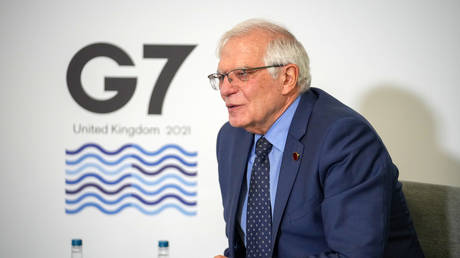
Josep Borrell insisted the restrictions are not a mistake, after Hungarian PM Viktor Orban called them “miscalculated”
The EU’s top diplomat has hit back at those who criticize the Western sanctions slapped on Russia, saying on Monday that he does not believe them to be a mistake, and adding that the bloc will continue to stand by its policies.
“There is a big debate about ‘are the sanctions effective? Are the sanctions affecting us more than Russia?’ Some European leaders have been saying that the sanctions were an error, were a mistake. Well, I do not think they were a mistake, it is what we had to do and we will continue doing,” Josep Borrell, EU High Representative for Foreign Affairs and Security Policy, told reporters prior to the EU Foreign Affairs Council meeting in Brussels.
Borrell’s comments come after Hungarian Prime Minister Viktor Orban castigated EU sanctions against Russia on Friday, claiming they were “miscalculated” and could destroy Europe’s economy. He also noted that the sanctions have failed to destabilize Russia’s economy and haven’t forced Moscow to stop its military operation in Ukraine, instead causing massive damage to the EU’s economic stability.
The senior diplomat also declined to admit that oil prices soared due to the oil embargo that Brussels had imposed on Russia. He said the price of the fuel is now back at the same level as it was before February 24.
“So, how can someone say that it was the ban which has increased the price of oil?” Borrell argued.
Following the start of the Russian military campaign in Ukraine, Brent crude prices skyrocketed, reaching more than $120 per barrel in early March. Later, however, the prices went down, with Brent crude trading now at just above $100 per barrel, despite the EU’s decision on June 3 to impose an embargo on Russian oil.
Borrell said at the Council meeting on Monday that ministers would discuss a new sanctions package against Russia, as well as measures to better implement the restrictions already in place, and added that he had presented new proposals on the matter, including a ban on Russian gold.
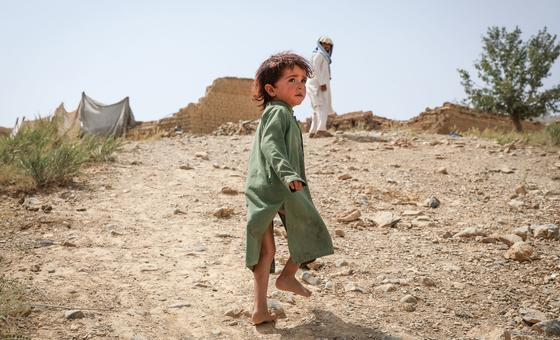
Afghans caught up in the devastating earthquake that hit the country on June 22, killing more than 1,000 and injured over 6,000 people, are sharing their traumatic stories.
Josep Borrell says the EU’s anti-Russian sanctions will crush Moscow any minute now
EU foreign policy head Josep Borrell has called on Europeans to show “strategic patience” while months worth of supposedly devastating sanctions against Russia take effect.
“The sanctions imposed by the EU and like-minded partners are already hitting Vladimir Putin and his associates hard,” Borrell declared in a blog post on Sunday, insisting “their impact on the Russian economy will only increase.”
“We need strategic patience until Russia stops its aggression and Ukraine is able to regain its full sovereignty,” he added.
The EU has passed six packages of punishing sanctions targeting Moscow, yet the bloc itself has stumbled into an increasingly dire gas shortage and a currency whose value recently dipped below that of the US dollar for the first time ever.
One of the most recent sanctions seeks to cut 90% of Europe’s oil purchases from Russia by the end of 2022. Borrell acknowledged that “this rapid detoxification from Russian energy involves significant costs or a number of countries and sectors that we will have to face.” However, he insisted it was a small price to pay, warning that a Russian victory would amount to the destruction of western democracy itself, as well as the “rules-based international order.”
The energy-related sanctions in the latest package make a notable exception for member states with “no viable alternative options” for energy, a loophole presumably met for Hungary, which has staunchly opposed an oil embargo on the grounds that it would harm the Hungarian people much more than it would inconvenience the Russians.
Borrell insisted earlier this month that Europe does not want war with Russia, arguing the sanctions are key to countering Moscow’s “aggression” and declaring the financial restrictions were already having an effect.
Along with the US, Europe has poured billions of dollars’ worth of weapons and financial aid into Ukraine since Russia’s ‘military operation’ began in February. Borrell has promised not to allow Kiev to run out of weapons.
Russia sent troops into Ukraine on February 24, citing Kiev’s failure to implement the Minsk agreements, designed to give the regions of Donetsk and Lugansk special status within the Ukrainian state. The protocols, brokered by Germany and France, were first signed in 2014. Former Ukrainian President Petro Poroshenko has since admitted that Kiev’s main goal was to use the ceasefire to buy time and “create powerful armed forces.”
In February 2022, the Kremlin recognized the Donbass republics as independent states and demanded that Ukraine officially declare itself a neutral country that will never join any Western military bloc. Kiev insists the Russian offensive was completely unprovoked.