Washington and Riyadh officially insist everything is fine, but Wall Street Journal report suggests otherwise
Relations between the US and Saudi Arabia that go back to 1945 have never been this bad, according to a report published Wednesday in the Wall Street Journal’s print edition. Insiders in Washington and Riyadh that spoke with the paper blamed the situation on a personal rift between US President Joe Biden and Saudi Crown Prince Mohammed bin Salman. Both the White House and the Kingdom officially denied any trouble, however.
According to the outlet, the crown prince has sought recognition from Washington as the incoming head of state, which would give him immunity from prosecution for the 2018 killing of dissident Jamal Khashoggi. The Biden White House has refused, bringing up Khashoggi in the first meeting with national security adviser Jake Sullivan and treating with the prince – known by his initials MBS – in his official capacity as Saudi Arabia’s defense minister.
The WSJ story opens with a description of MBS “wearing shorts at his seaside palace” and seeking a “relaxed tone” for his first meeting with Sullivan in September 2021, only to end up “shouting” at the American and telling him to forget about an increase in oil production.
Sullivan didn’t discuss oil production with MBS at their September meeting and “there was no shouting,” national security council spokeswoman Adrianne Watson told the WSJ after the article appeared online on Tuesday.
An official at the Saudi embassy in Washington called the meeting “cordial and respectful,” adding that over the past 77 years the US and the Kingdom have had “many disagreements and differing points of view over many issues, but that has never stopped the two countries from finding a way to work together.”
The Saudi-US relationship goes back to the 1945 meeting between President Franklin Delano Roosevelt and King Abdul Aziz ibn Saud aboard a US warship in the Great Bitter Lake of the Suez Canal. In exchange for US military protection, the Saudis pledged to maintain a steady flow of oil and sell it in dollars, providing for the eventual emergence of the “petrodollar.”
Saudi Arabia led the 1973 oil embargo against the US, citing Washington’s support for Israel in the Yom Kippur War. It resulted in the worst US economic crisis since the Great Depression. Yet relations between Washington and Riyadh have never been as difficult as they are now, according to Norman Roule, whom the WSJ described as a former senior US intelligence official in the Middle East who maintains ties to senior Saudi officials.
Khashoggi, a dissident who wrote columns for the Washington Post, went into the Saudi consulate in Istanbul in 2018 but never came out. An investigation later showed he was killed and dismembered, blaming security officials close to MBS. While US President Donald Trump sought to maintain a cordial relationship with the Saudis despite the gruesome incident, Biden publicly denounced Riyadh as a “pariah” during the presidential campaign in 2019, and has since reportedly refused to offer any major concessions to the Saudis, according to the WSJ.
Riyadh initially responded to Biden replacing Trump by ending the three-year feud with Qatar and releasing several imprisoned high-profile activists after his inauguration. Within months, however, the Kingdom lost patience with too many US demands, the WSJ said.
Last July, Prince Khalid bin Salman cut short his trip to Washington when his request for more air defenses got nowhere. The US had removed several Patriot anti-missile systems from Saudi Arabia the month before, citing maintenance needs. Meanwhile, the Houthi rebels increased the number of missile and drone strikes against the Kingdom and the UAE, seeking to force an end to their involvement in Yemen. One of the Biden administration’s earliest actions was to revoke the designation of the Houthis as terrorists, made by the State Department under Trump.
Since then, Riyadh has canceled the planned visits by US Defense Secretary Lloyd Austin and Secretary of State Antony Blinken. MBS also reportedly refused to take part in the February 9 call with Biden and his father King Salman.
The Saudis ware “dismayed” at the US withdrawal from Afghanistan last August, disapprove of efforts to revive the nuclear deal with Iran, and “bristle” at Washington’s presumption that they will fall in lockstep with whatever the US decides, according to the WSJ.
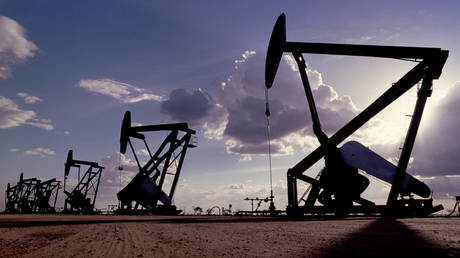
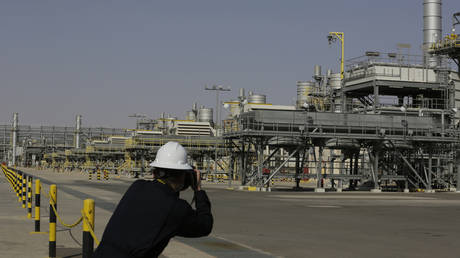
The Kingdom has refused US demands to increase oil production in order to lower the global price and make up for Washington’s embargo on Russia. Oil prices spiked after the US announced sanctions against Moscow in early March, over the conflict in Ukraine. Biden has since tried to blame the pain at the pump on the “Putin price hike,” though most Americans remain unconvinced.
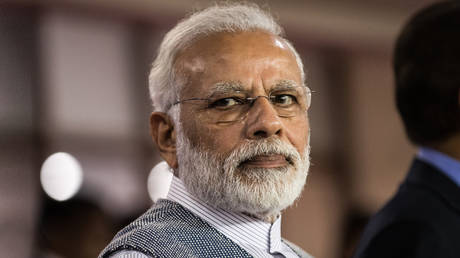
Meanwhile, Riyadh has not raised objections to Russia selling its oil to China and India in their own currencies, casting doubt on the long-term survivability of the petrodollar. The US has since scaled back its demands as well, asking the Saudis only to not do anything that would hurt the Western efforts to help Kiev, the WSJ reported citing a senior US official.
Pristina and Belgrade must engage more actively in dialogue facilitated by the European Union (EU), the head of the UN Interim Administration Mission in Kosovo (UNMIK) told the Security Council on Wednesday.
A Japanese TV show now on Netflix, ‘Old Enough!,’ has sparked much debate about the wisdom of allowing very young kids to be very independent. Risky? Beneficial? Child development experts weigh in.
Western officials want to steer clear of Russian representative at a key meeting in Washington
Some Western nations are set to boycott parts of a summit of G20 finance ministers scheduled for Wednesday due to the planned participation of the Russian minister. The US called for Russia’s expulsion from the club of the world’s most powerful economies over the conflict in Ukraine.
Russian Finance Minister Anton Siluanov is heading Moscow’s delegation at the event on Wednesday in Washington and will be participating via a video link, the ministry confirmed this week.
US Treasury Secretary Janet Yellen “has made clear that she isn’t planning to attend events or meetings that the Russians are participating in,” White House Press Secretary Jen Psaki said in a daily briefing on Monday, commenting on the upcoming meeting.
The secretary’s participation was confirmed by her department on the same day. She previously pledged to boycott any events involving Russia and called for Moscow’s full expulsion from the club. Consequently, her involvement in the G20 gathering was put into question after Indonesia, the current chair of the group, confirmed that Moscow had been invited.
According to a Washington Post source, Yellen will only attend the opening session of the meeting and will use the opportunity to show support for Ukraine. She is also scheduled to meet Ukrainian Prime Minister Denis Shmyhal.
British Chancellor of the Exchequer Rishi Sunak is reportedly taking the same approach to the G20 event. According to Reuters sources, he will skip any parts where Russia would be represented.
The US and its allies have been using diplomatic pressure to rally the world against Russia, but the push has not been very successful in non-Western countries, including some economic powerhouses.
China openly blamed NATO for creating the conditions for triggering Russia’s attack against Ukraine and repeatedly criticized economic sanctions as a tool of coercion in international relations. India ramped up its trade with Russia, defying Western calls to do the opposite.
The G20 is one of the most prominent international gatherings where that split may come to the forefront. Indonesia is to hold the annual summit of leaders of member states in November. Russia puts much value in its participation, saying the G20 is far more representative of the world community than the “obsolete” West-dominated G7.
Russia attacked Ukraine in late February, following Kiev’s failure to implement the terms of the Minsk agreements, first signed in 2014, and Moscow’s eventual recognition of the Donbass republics of Donetsk and Lugansk. The German and French brokered protocols were designed to give the breakaway regions special status within the Ukrainian state.
The Kremlin has since demanded that Ukraine officially declare itself a neutral country that will never join the US-led NATO military bloc. Kiev insists the Russian offensive was completely unprovoked and has denied claims it was planning to retake the two republics by force.